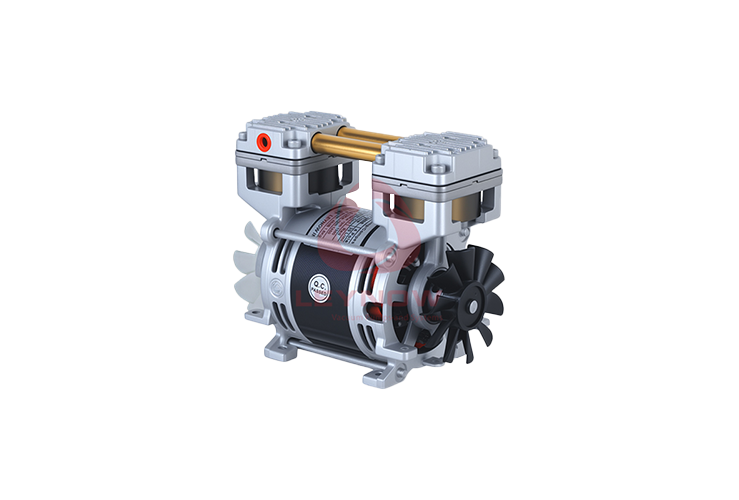
AC Piston Oil-free Air Compressor
Leynow · AC Oil-free Compression Technology
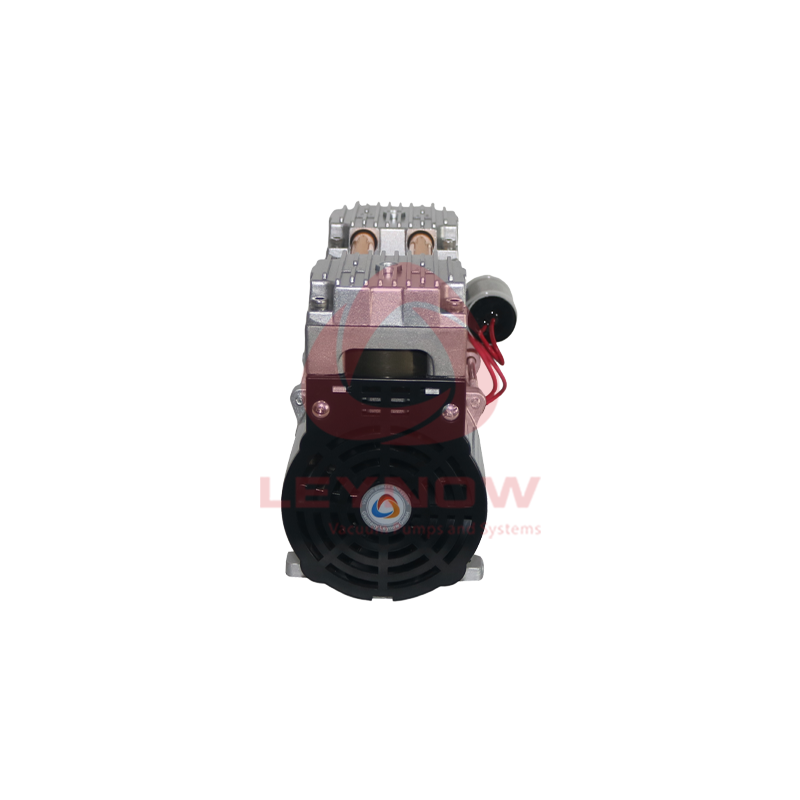
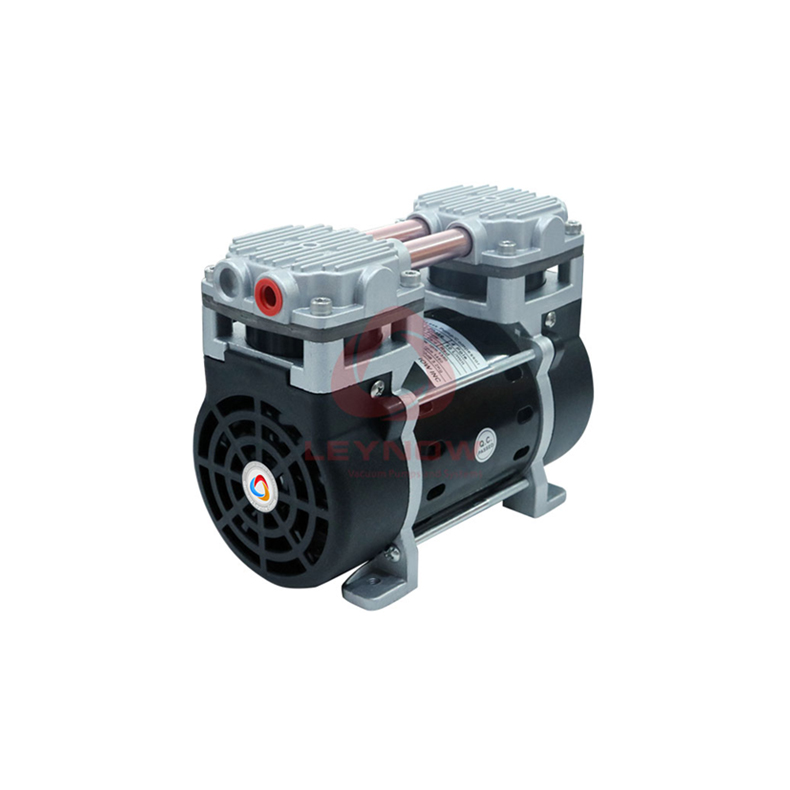
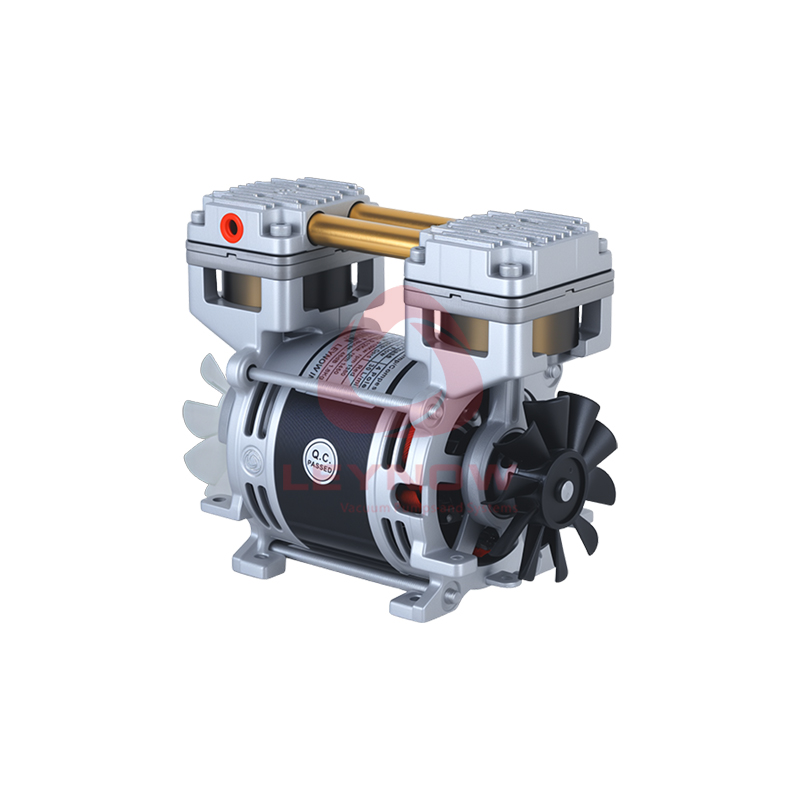
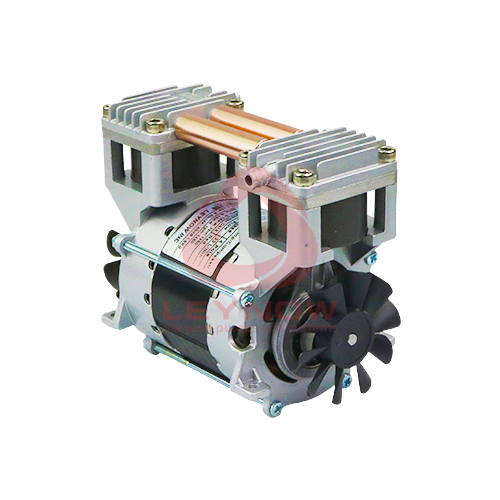
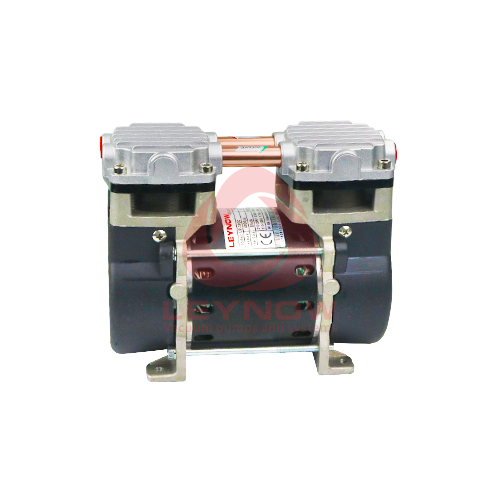
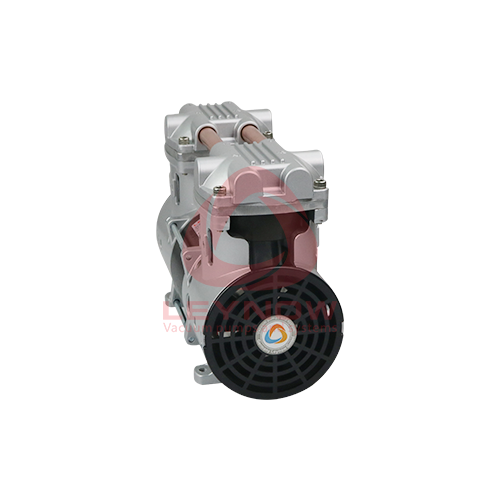
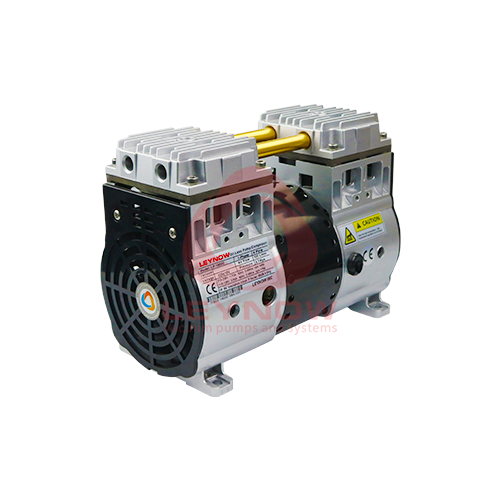
Compressed air from oil-lubricated models contains oil mist, which easily contaminates workpieces, materials, and test results when used for spraying, blowing, and instrument air supply.
Conventional air compressors have high operating noise, which is unacceptable near workstations or clinics, requiring separate compartments and increasing site and piping costs.
Inaccurate air consumption estimation and small air storage capacity lead to large pressure fluctuations, affecting the action consistency of pneumatic actuators.
Specifications of air tanks, refrigerated dryers, and filters do not match; the complete machine is large and difficult to embed in equipment cabinets or clinic corners.
Piston rings adopt self-lubricating materials, scroll discs engage without contact, and no lubricating oil is injected into the compression chamber. The output air has a low oil content, reducing downstream contamination risks.
Thickened soundproof cover, inner wall sound-absorbing cotton, vibration damping foot pads, and low-speed fan combination provide operating noise of approximately 52-68dB(A), making it more acceptable near workstations and clinics.
For small intermittent air usage, choose silent oil-free piston type; for low noise and stability, choose scroll type; for multi-station continuous air usage, choose screw type, matched as needed.
Equipped with industrial-grade motors and optimized heat dissipation ducts, under the premise of meeting ventilation, heat dissipation, and maintenance requirements, it can meet the long-term continuous air usage needs of production lines.
Integrated base design, air tank and main unit integrated, small footprint; can be placed in clinic corners or next to equipment cabinets, shortening piping and reducing pressure loss.
Air tanks, refrigerated dryers, precision filters, and automatic drains can be supplied together; selection calculation based on air consumption and pressure, supporting troubleshooting and factory repair and maintenance.
| Product Model | Motor Power | Ultimate Vacuum | Rated Voltage | Rated Flow | Rated Current | Industry Application |
|---|---|---|---|---|---|---|
HP-0550C |
0.32 Kw | 110V/220-240V | 6.0 m3/h | 2.5/1.5A | 4000 mBar | 真空包装 |
LP-0200C |
0.12 Kw | 110V/220-240V | 1.8 m3/h | 0.5 A | 1500 mBar | 真空包装 |
LP-0300C |
0.15 Kw | 110V/220-240V | 3.0 m3/h | 0.7 A | 2000 mBar | 真空包装 |
LP-0550C |
0.32 Kw | 110V/220-240V | 6.0 m3/h | 2.5/1.5A | 4000 mBar | 真空包装 |
LP-1400C |
0.55 Kw | 110V/220-240V | 9.0 m3/h | 2.5A | 6000 mBar | 真空包装 |
LP-2400C |
1.1 Kw | 110V/220-240V | 14.4 m3/h | 4.3 A | 8000 mBar | 真空包装 |
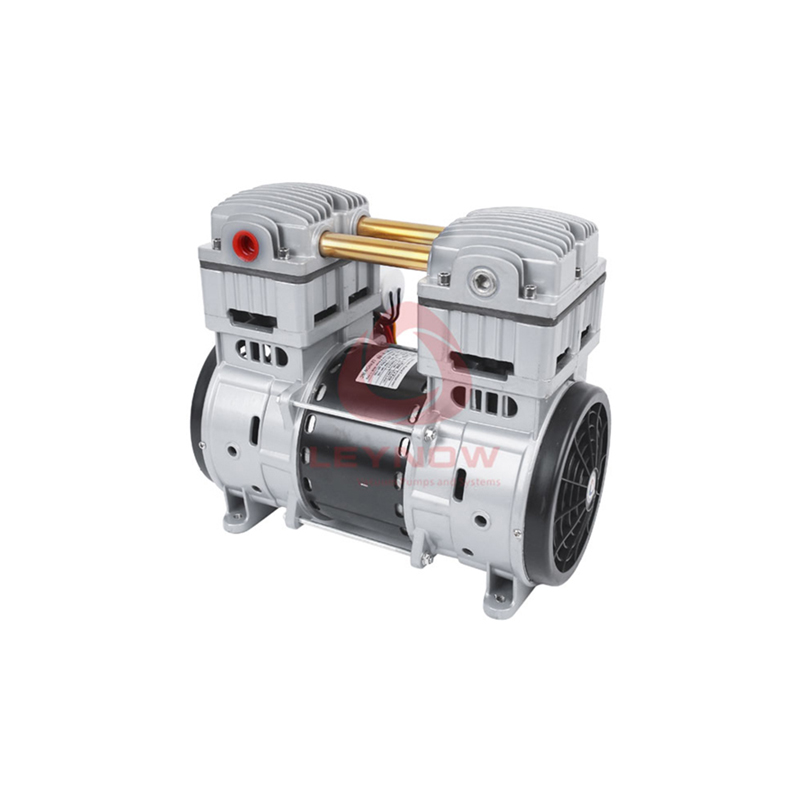
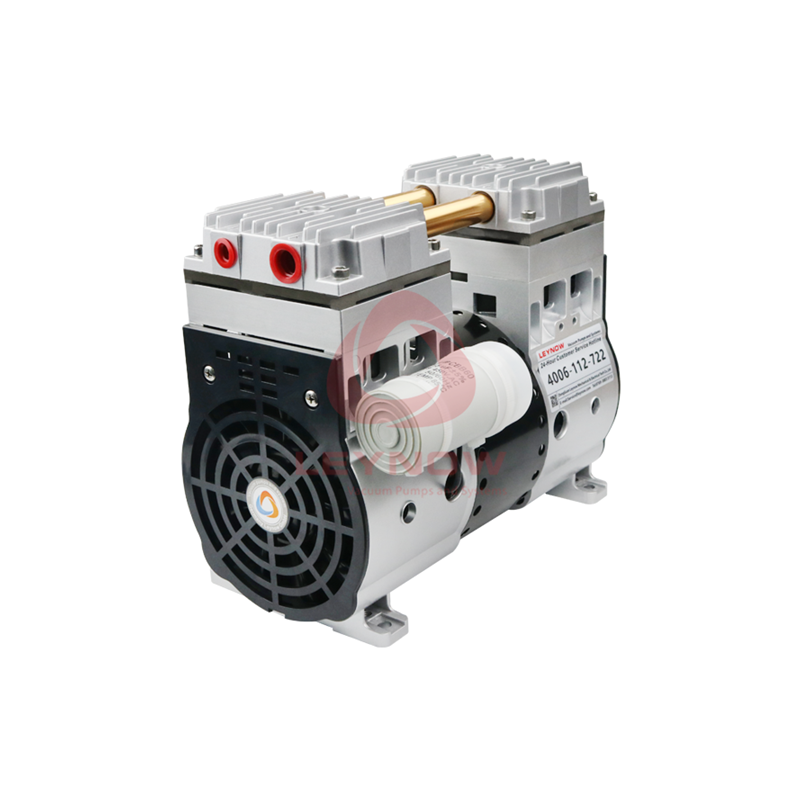
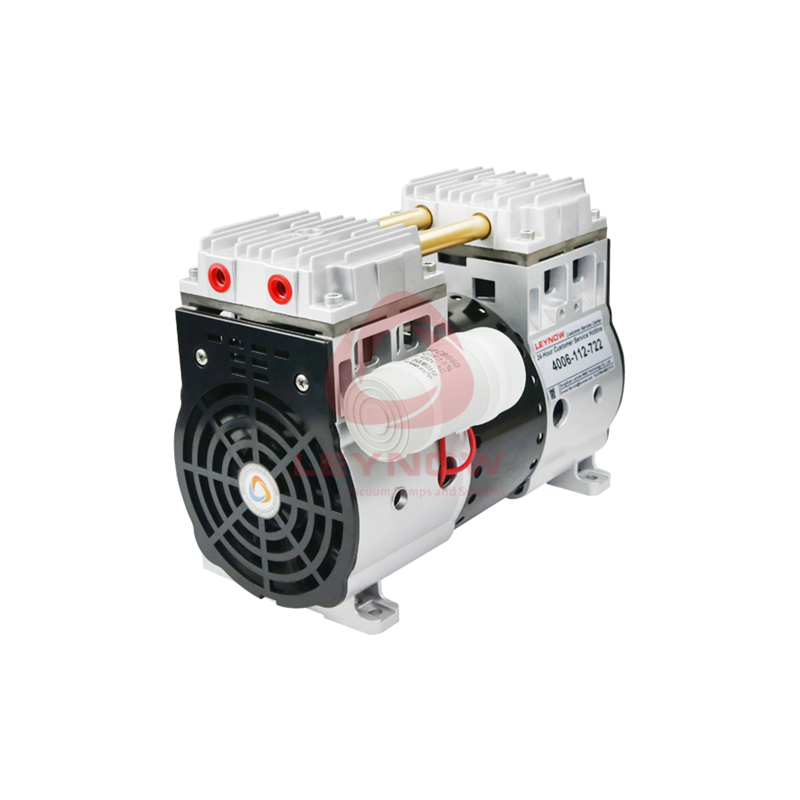
Oil-free piston type: The piston ring adopts self-lubricating material, and no lubricating oil is injected into the compression chamber. Reciprocating compression is completed relying on the material's self-lubricating properties, and the output air has a low oil content.
Oil-free scroll type: The orbiting scroll and fixed scroll maintain non-contact engagement, and gas is gradually compressed and pushed to the center for discharge; fewer moving parts, relatively lower vibration and noise.
Oil-free screw type: The rotors do not directly contact each other, and no oil is involved in the compression chamber, suitable for centralized air supply occasions with long-term continuous operation.
Noise reduction design: The complete machine is placed in a thickened soundproof enclosure, with sound-absorbing materials laid on the inner wall, combined with vibration damping foot pads and low-speed cooling fans to reduce operating noise and body vibration.
Post-treatment matching: Compressed air is buffered by the air tank, dewatered by the refrigerated dryer, and dedusted by the precision filter before being sent to the air usage point, further improving air source quality.
Compiled technical reference materials related to vacuum pumps for selection, equipment commissioning, and troubleshooting.
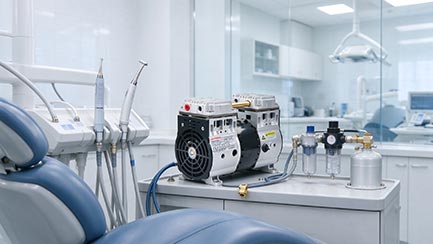
Air source for dental chairs, teeth cleaning equipment, and other clinic equipment.
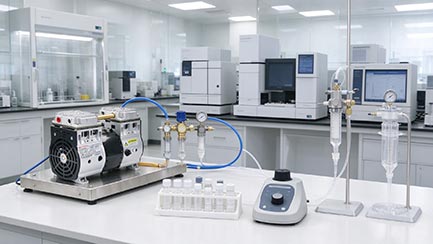
Air supply for analytical instruments and sample preparation equipment.
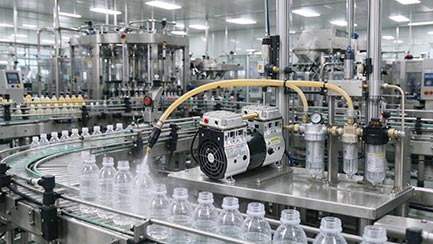
Pneumatic drive for packaging, purging and water removal, and other air usage processes.
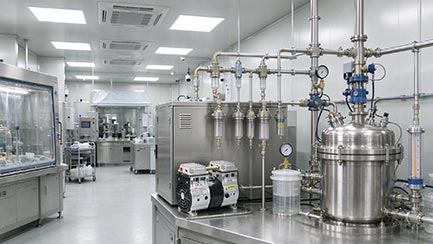
Pneumatic control in cleanrooms, and supporting air sources for equipment.
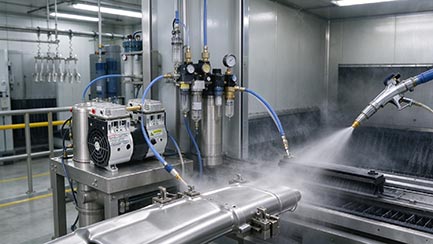
Air supply for spray atomization, dust blowing, and surface drying.
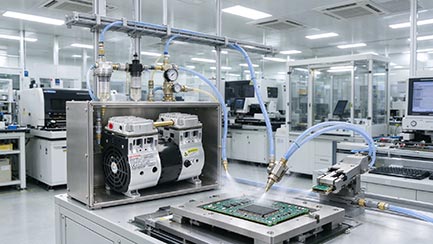
Air for component purging, dust removal, and pneumatic clamping.
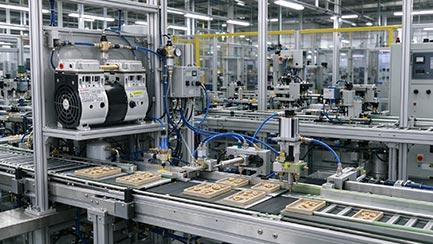
Air supply for pneumatic actuators on production lines and sorting stations.
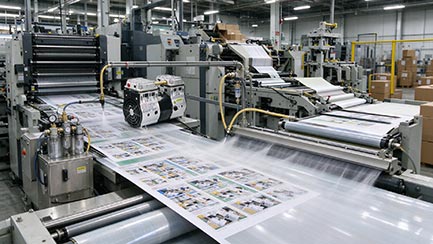
Pneumatic control for packaging equipment, and printing paper blowing.
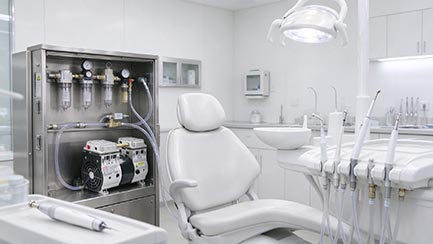
Air for driving clinic equipment, requiring high air source cleanliness.

Air supply for analytical instruments and automated sample preparation equipment.
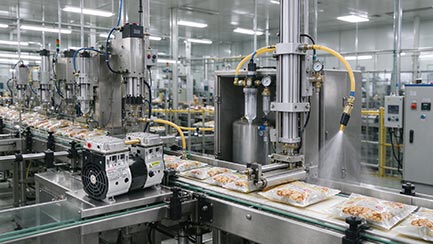
Cylinder action, sealing, and purging processes of packaging machines.
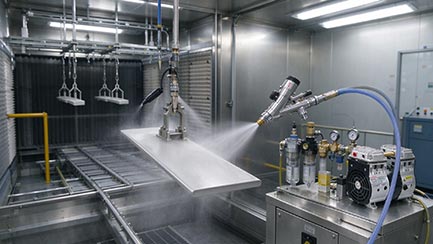
Atomization and dust blowing of spraying equipment, reducing oil mist interference.
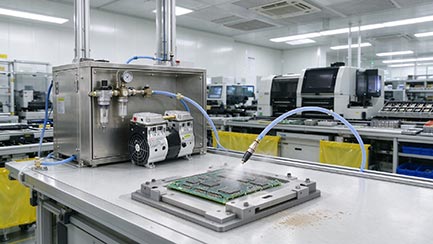
Purging before assembly to prevent oil stains from adhering to component surfaces.
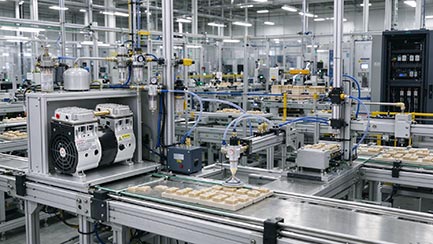
Air supply for pneumatic components such as cylinders and vacuum generators.
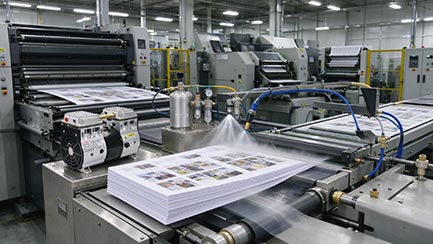
Air for page separation blowing and paper conveying stations.
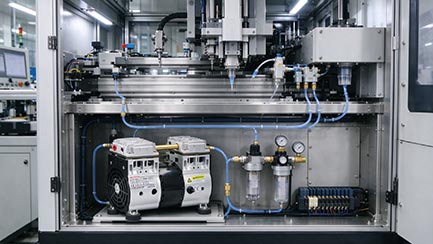
Embedded inside complete equipment to provide clean air sources.
Usage Restrictions: The normal exhaust pressure of oil-free models is mostly within 1.0 MPa; ultra-high pressure requirements require separate selection; the air inlet must be kept clean, and pre-filtration should be strengthened in dust environments; it cannot be operated for a long time in a closed and unventilated space; it cannot be used in special environments such as flammable and explosive ones; if needed, please specify separately and select the corresponding model.
Selection Recommendations: First calculate the air consumption of each air point and the simultaneous usage factor to obtain the total air consumption; then determine the model pressure based on the required working pressure plus pipeline pressure loss; it is recommended to reserve a 10-20% performance margin. For noise-sensitive locations, prioritize scroll type; for multi-station long-term continuous air usage, consider screw-type centralized air supply. If you are unsure about the selection, you can provide working conditions for our technical personnel to assist in calculation.
The main difference lies in whether lubricating oil is injected into the compression chamber. Oil-lubricated models rely on lubricating oil for lubrication and sealing, and the output air has a relatively high oil content; oil-free models do not inject oil into the compression chamber, and the output air has a low oil content, making them more suitable for occasions with requirements for air source cleanliness, such as dental, laboratory, food and pharmaceutical, and precision spraying. Correspondingly, the purchase cost and maintenance requirements of oil-free models will also differ, and must be weighed against working conditions.
The operating noise of conventional models is approximately in the range of 52-68dB(A), which is related to power, structural form, installation environment, and measurement distance. Scroll models have low vibration and relatively better noise performance. Actual noise is subject to the corresponding model sample markings and on-site measurement. It is recommended to maintain ventilation clearance around the body during installation and add vibration damping pads.
Under the premise of meeting ventilation and heat dissipation conditions and replacing consumables according to the maintenance cycle, industrial models can adapt to relatively long-term continuous operation. If the working condition is multi-station, all-weather continuous air usage, it is recommended to prioritize screw-type models and configure an air tank with sufficient volume to reduce frequent start/stop.
Common matching includes: air tank (buffering and stabilizing pressure), refrigerated dryer or water removal device (lowering dew point), precision filter (dust and micro-oil removal), automatic drain valve (timed drainage). For occasions with high air source cleanliness requirements, multi-stage filtration can be combined. The above accessories can be supplied together as needed.
The maintenance cycle is related to factors such as usage frequency, environmental dust, and operating temperature. It is usually based on operating hours or time periods, mainly involving the inspection and replacement of air filter elements, oil-water separation components (if any), drain valves, and seals. For specific cycles, please refer to the accompanying manual and contract terms, or contact us for maintenance plan suggestions.
Yes. Common accessories such as air filter elements, filter cartridges, drain valves, and pressure switches can be supplied together; also provide technical consultation, troubleshooting guidance, and factory repair and maintenance services. If on-site service is required, the service scope and arrangement can be communicated in advance.
Please fill in your requirements carefully, and we will contact you within 24 hours.