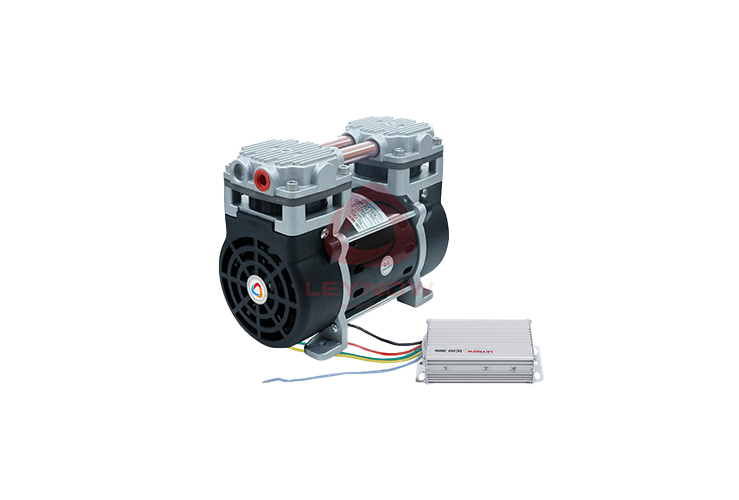
DC Piston Vacuum Pump
Leynow · DC Piston Technology


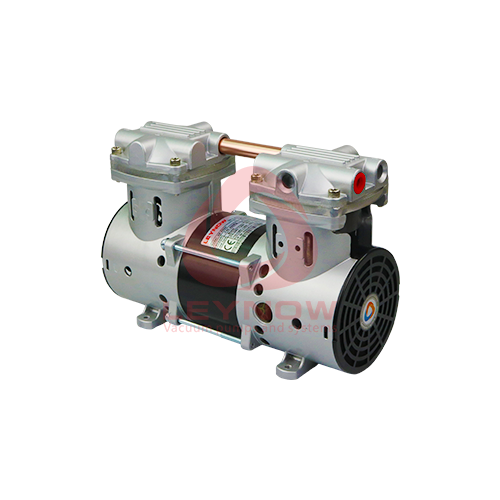

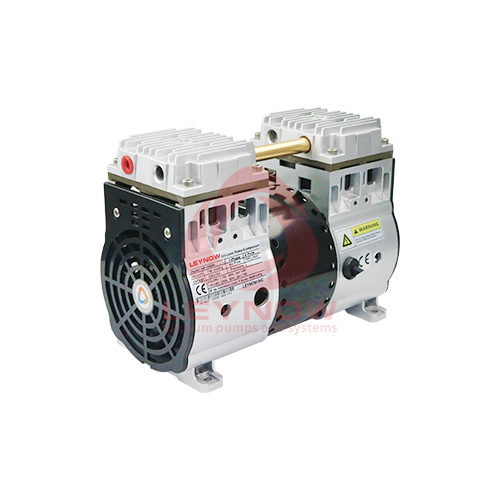
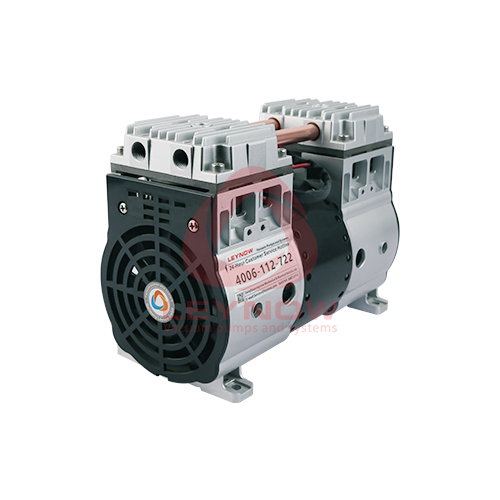


Machines, portable instruments, and vehicle-mounted equipment only provide 12V/24V DC power. AC vacuum pumps require additional inverters or transformers, increasing cost and volume.
The interior space of instrument compartments and cabinets is compact. Traditional vacuum pumps are relatively large and heavy, making integration and installation difficult.
After long-term operation, brushed motors experience brush wear, which may generate carbon dust and affect lifespan; operating noise is relatively high, affecting user experience.
Some vacuum pumps require lubricating oil to operate, and the airflow carries oil mist, which may contaminate sampling media, precision workpieces, or detection components.
Directly matches the equipment's DC power supply, no additional inverter required; suitable as a built-in negative pressure unit for portable instruments, vehicle-mounted equipment, and automated machines.
The pump chamber requires no lubricating oil to operate, and the output airflow contains no oil mist, suitable for sampling, vacuum filtration, and adsorption scenarios with cleanliness requirements.
Diaphragm type, brushless diaphragm type, rotary vane type, and other structures are available; vacuum degree, flow rate, voltage, and interface can be matched according to working conditions, reducing selection deviations.
The brushless motor version has no carbon brush wear, operates smoothly, and has relatively lower noise, suitable for equipment matching that requires long-term operation.
Compact body and flexible installation methods; it can be placed inside instruments or in the interlayer of machines, serving as a built-in negative pressure source unit.
Accessories such as intake filters, silencers, check valves, and pipe joints can be supplied as a set; providing working condition selection suggestions, troubleshooting, and repair and maintenance support.
| Product Model | Motor Power | Ultimate Vacuum | Rated Voltage | Rated Flow | Rated Current | Industry Application |
|---|---|---|---|---|---|---|
LP-0300V |
0.12 Kw | 860 mBar | 12V/24V | 3.0 m3/h | 10/5.0 A | 真空包装 |
The DC motor drives the pump body to work: the diaphragm type changes the chamber volume through the reciprocating motion of the diaphragm, forming suction and exhaust; the rotary vane type forms volume changes through the rotation of the rotor and vanes, establishing negative pressure at the intake port.
Different pump types have different vacuum degrees and flow rates: the diaphragm type leans towards small flow and clean pumping; the rotary vane type leans towards higher vacuum degree. The appropriate structure can be selected according to process requirements.
Oil-free lubrication design, the gas path does not contact lubricating oil; the complete machine has a compact structure, suitable for embedding in instruments and equipment as a negative pressure source unit.
Compiled technical reference materials related to vacuum pumps for selection, equipment commissioning, and troubleshooting.
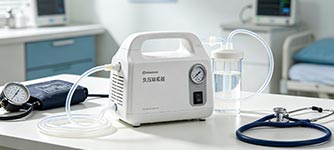
DC negative pressure source matching for portable medical equipment and negative pressure suction equipment.
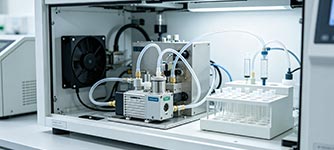
Built-in pumps for instruments used in gas sampling, vacuum filtration, and sample pre-treatment.
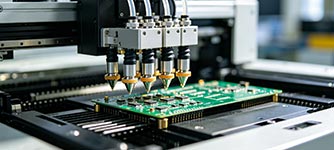
Negative pressure source for small vacuum suction cup gripping, sorting, and placement stations.

Pumping and negative pressure units for atmospheric sampling and gas detection instruments.

Negative pressure matching for small adsorption handling, bag opening suction cups, and labeling stations.
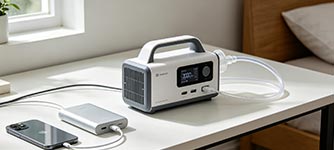
Matching for portable negative pressure equipment powered by vehicle power supplies and lithium batteries.
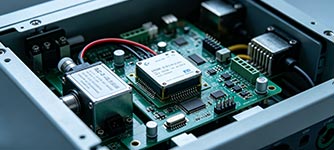
Embedded inside complete equipment, serving as a built-in negative pressure source unit.

Small negative pressure gas path matching for paper adsorption and conveying, printhead maintenance, etc.

Negative pressure adsorption and handling of workpieces and components in automation equipment.
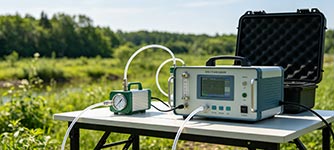
Gas extraction and conveying for detection instruments and sampling devices.

Negative pressure auxiliary processes such as laboratory vacuum filtration and solvent filtration.

Negative pressure gas path matching for medical and health equipment.
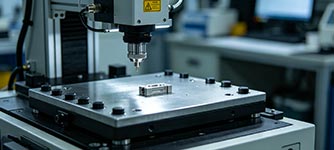
Negative pressure adsorption and positioning for small CNC and inspection stations.
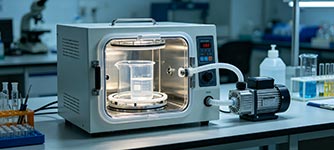
Negative pressure defoaming treatment for small-volume materials such as glue and resin.
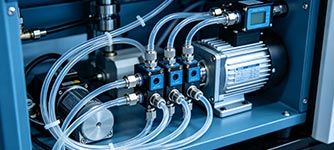
Matching for internal gas path circulation and micro positive pressure conveying in instruments.

Embedded inside complete equipment to provide a stable DC negative pressure source.
Usage Limitations: Conventional DC vacuum pumps are not suitable for highly corrosive, flammable and explosive, high-temperature, or high-humidity condensation gases; for dusty and liquid-containing working conditions, it is recommended to install filters and gas-liquid separation devices at the intake end; do not operate with the intake or exhaust ports blocked for a long time, to avoid the pump body temperature rising and affecting service life.
Selection Recommendations: Please first confirm the power supply voltage, required vacuum degree, pumping flow rate, medium composition, working system (continuous/intermittent), interface size, and installation space; when the system has pipelines or filters, resistance loss must be included, and it is recommended to reserve a reasonable performance margin. If necessary, you can consult engineers for assistance in selection.
It is recommended to provide: power supply voltage (12V/24V/48V), required vacuum degree, pumping flow rate, extracted medium (air/other gases), working system (continuous or intermittent), interface size, and installation space. If the system includes filters, pipelines, and valves, please also specify the pipeline length and resistance conditions to more accurately match the model.
The brushed version has a simple structure and relatively lower cost, suitable for intermittent work or cost-sensitive scenarios; the brushless version has no carbon brush wear, operates more smoothly, and has relatively lower noise, suitable for equipment matching that requires longer working hours and has requirements for noise and lifespan. Choose according to actual working conditions and budget.
Conventional models are mainly used for clean air or neutral gases. For dusty gases, it is recommended to install a filter at the intake end; for working conditions with liquid or water vapor, it is recommended to configure a gas-liquid separation device; for corrosive gases, special models with suitable materials are required. Please provide medium information for engineer confirmation.
Noise is related to pump type, power, speed, and installation method. Micro diaphragm pumps usually have lower noise, while rotary vane types are relatively slightly higher; adding silencers, using shock-absorbing foot pads, and flexible hose connections can help reduce overall noise. For specific values, please refer to model parameters or actual measurement.
Common accessories include: intake filters, silencers, check valves, vacuum tanks, pipe joints, shock-absorbing foot pads, DC power adapters, etc. Leynow can provide matching suggestions and supply according to usage scenarios.
Support conventional customization requirements such as interface form, wire length, and voltage specifications; please confirm specific feasibility with engineers. Also provide technical consultation, troubleshooting, and repair and maintenance services.
Please fill in your requirements carefully, and we will contact you within 24 hours.